
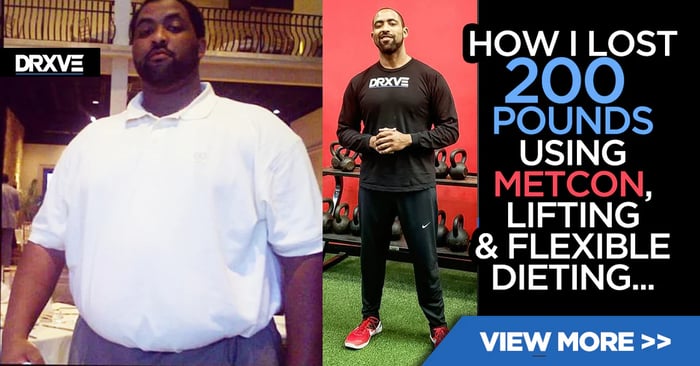
I Was 435 Pounds. I GOT TO 230.
Here's What Actually Worked.
When I started working out, I weighed 435 pounds at 6'4".
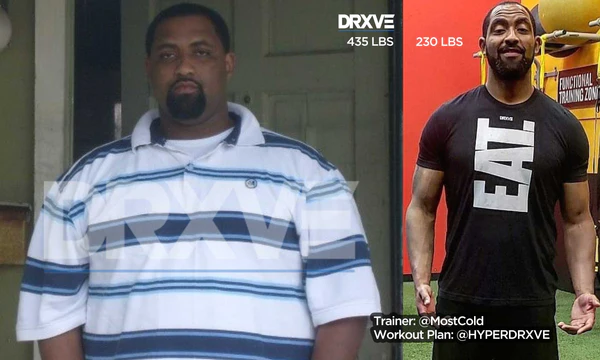
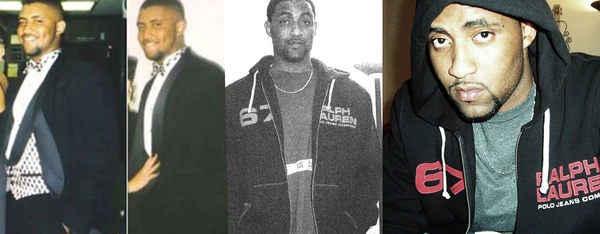
But I wasn't always 435 lbs.
After moving to Houston in 2003, I let my fitness habits slip. The weight crept up slowly. Then faster. Then I stopped looking.
Before the weight gain, I was a strong 230 lbs. I worked out and played basketball 2-3 times a week. I was active. I was healthy. I was ME.
At 435? I was embarrassed. I didn't recognize myself. And I was pissed.
Bottom line: I knew I was stronger than this. More disciplined than this.
But it took me a while to realize it. And even longer to remember it.
The Excuses Phase
As I started gaining weight, I shook it off. Blamed it on Houston's food scene. Kept buying bigger clothes.
Family and friends tried to "remind me" about the weight gain. Told me I was getting bigger. Period.
I was stubborn. I didn't listen. I rationalized. I made excuses.
I didn't know where to start, so I didn't start at all.
My shirt sizes kept getting larger.
The airplane seats kept getting "smaller."
My seatbelt kept getting "tighter."
By 2011, I was the heaviest I'd ever been in my life.
435+
The Mirror Moment
I remember the day I finally saw it with my own eyes.
I woke up that morning and, for the first time in years, caught a side view of myself in the mirror.
My front-to-back girth was ridiculous!

I didn't recognize myself at all. I had this "cool, big dude" image of myself in my head.
But the "Fat Ass" in the mirror???? That wasn't it.
That's when I realized:
I had to move.
How I Started:
Just Movement & Math
It took me a while to cut through all the bullshit info and product gimmicks to figure out what actually worked.
I started walking and running outside (while still eating terrible). Then I talked to a Houston fitness trainer who explained macros and calorie limits.
Soon after, I joined a local gym, found a workout program online, and went from there.
I didn't start out great. It was downright comical at times. But I was determined.
As I learned more, I lost more. Slowly, I started to understand tracking macros and working out consistently.
Remember:
It's not magic. It's math.
Eat Less + Work More = Burn Fat + Lose Weight.
What I Learned Losing 205 Pounds
Besides literally becoming a Certified Personal Trainer in the process, I learned a lot about training, workouts, motivation, and what it actually takes to make a major difference in your life.
Body Composition > Scale Weight
- Increasing Lean Mass will tone your body, strengthen muscles, increase metabolism (which burns more fat), and may actually RAISE your weight on the scale.
- Decreasing Body Fat will make your clothes fit better, shrink your waist, and may LOWER your weight on the scale.
One of the most motivating things I did was fit perfectly into a #TestPolo (GOAL shirt) that absolutely didn't fit a few months ago.
It's a real-life, visual representation of fitness progress.
It charged me up much more to watch myself go from a 5X to an XL in GOAL Shirts than it did to hover over a scale hoping for an arbitrary low number. (I swore my scale was broken for a month.)
So here's what you do:
Hit the store and get TWO SHIRTS:
- One that fits you NOW
- One GOAL SHIRT that's 1-2 sizes smaller (your near-future self)
The more "impossible" the Goal Shirt feels, the better. If you have a lot of weight to lose (over 50 lbs), buy a Goal Shirt that's about 2 sizes down and repeat the process in milestones until you get there.
Want to see how we track progress beyond the scale? See how we measure what matters →
Fitness Is an 80/20 Process
80% Kitchen. 20% Lifting.
I wish I would have listened to that simple formula earlier.
I literally wasted 6 months killing myself in the gym, being proud of it... only to come home and eat back all the calories on the weekends.
It was sabotage. Don't do it.
Body Recomposition ALL Starts With: Tracking Your Food
I used the mobile app MyFitnessPal to track my daily food intake and macro count.
Some days were great. I hit my macros, stayed under my calories, and was on track.
Other days were not so great. I went a little over my calories and ate way too many carbs.
Other days were terrible. I ate a huge meal and dessert at a restaurant, ate Frosted Mini-Wheats all day, or just ate a bunch of crap that took me way over my calorie limit.
The ONE Rule That Changed Everything
ENTER THE FOOD, NO MATTER WHAT.
No matter what you eat.
It's always good to see the "Alverez stayed under his calorie goal" message in the app's newsfeed. But if you didn't? So what!
ENTER THE FOOD.

Chalk it up as a loss. Admit you ate more than you should have. Get ready to win again tomorrow.
This process is about growth, not perfection.
The idea is to set a healthy trend for yourself. One bad day of eating won't completely kill your goals. But a series of consistent bad eating days will.
Your brain needs to see those "red numbers." Seeing a few days of red "over limit" numbers always got me back on track.
Nutrition and Macro Trackers are designed to help YOU reach YOUR fitness goals.
If you hide food from yourself and the system:
- You're only fooling yourself
- You're sabotaging your progress
- You're wasting your time
Don't sabotage yourself.
Track Your Food, No Matter What.
Flexible Dieting:
The System I Actually Used
Flexible Dieting is eating the "right" amount of calories and macronutrients to fit your body's needs and fitness goals.
Along with staying in a "calorie deficit" when losing weight, it's also important to track what makes up those calories.
The calories we eat are primarily made up of 3 Macronutrients (MACROS):
- Protein (builds muscle, repairs tissue)
- Carbohydrates (fuel for energy and performance)
- Fat (hormonal function, nutrient absorption)
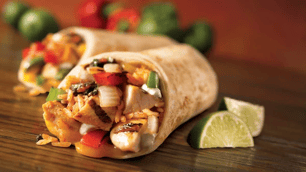
By focusing on the content of the calories we consume, Flexible Dieting helps us eat an optimal percentage of Protein, Carbs, and Fat on a daily basis.
It's different than "Clean Eating" in that there's a slight allowance (10%-15%) for "junk" calories—as long as you hit your main macro numbers.
It's still a good idea to stick mainly to "whole foods" and eat as clean as possible for best results.
You actually end up eating more than you'd think on a normal diet plan because optimal nutrition isn't about starving your body (which shrinks your metabolism). It's about feeding it the right fuel to help burn fat and build muscle.
This approach is something we follow in the COMP Nutrition Method → at DRXVE
How to Start Flexible Dieting
THE SIMPLE WAY
I initially used MyFitnessPal to track my macros during my transformation. It worked well and helped me lose 205 lbs.
Now at DRXVE, we recommend Cronometer for nutrition tracking. It's more accurate for micronutrients, has a cleaner interface, and better supports the COMP Nutrition Method.
But here's the truth: Any tracking app that lets you monitor macros consistently will work. The key is entering your food every day, no matter what.
After you choose your app:
- Get accustomed to the "Diary," "Goals," and "Nutrients" tabs
- Set your macro targets based on your goals
- Start tracking everything you eat
The Best Advice I Ever Received
Start simple: Chicken, Rice & Broccoli. Every meal. Every day. (Exception: breakfast)
After a 2-3 weeks (21 Days), you'll get the hang of tracking your macros and can move on to other similar foods and meal plans.
This works well because:
- All three foods are easy to measure on a scale
- The macros don't overlap (Chicken = protein, Rice = starchy carb, Broccoli = fibrous carb)
- It builds initial discipline
- It's a simple way to start meal prepping
If you can stand it for the first two weeks:
- Breakfast: Oatmeal, Eggs & Fruit
- 4-5 Meals: Chicken, Rice & Broccoli
It will help you kickstart your flexible dieting plan and build the discipline to follow through.
The locking for 21 Days was key for me. I found out later, it really takes about 2-3 weeks for your calorie deficit to really SHOW RESULTS from a cumulative perspective.
The Workouts That Actually Worked
Throughout the process, I did a number of pre-built workout plans and challenges that incorporated:
- Strength Training (weight lifting & muscle building)
- HIIT Workouts (high-intensity interval training)
- Metabolic Conditioning (combos, complexes, core, strength + HIIT)
- Bodyweight Training (calisthenics & functional movement)
- Cardio/Conditioning (endurance & fat burning)
I also did workouts with dynamic stretching, yoga, and isometric holds to build balance, stability, and core strength.
But by far, my favorite workouts were "Full Body Combos & Complexes. METCON!"
These metabolic conditioning workouts combine elements from all the styles above, work the entire body, and test your limits by doing "as many rounds as possible."
They aren't necessarily for beginners, but after a few months in the game, they can be great to challenge your savagery.
These training styles became the foundation for the MACHINE Training Method → I use at DRXVE:
- STRENGTH Sessions → for building muscle and lifting confidence
- ENERGY Sessions → for metabolic conditioning and capacity
- ABILITY Sessions → for mobility and movement quality
From Client to Coach
As I progressed through various workout plans, I began designing my own training days.
After months of testing workout plans on myself, friends, and family, I decided to look closer at the scientific research to gain more fitness programming knowledge.
My goal was to create more effective workout and transformation programs built on a proven, evidence-based training model.
So I studied to become a Certified Personal Trainer and started creating workout and nutrition plans for online training clients and fitness projects.

![]()
A cage is simply… any mindset that is holding you back and has you stuck.
Why DRXVE EXISTS
After losing 205 lbs, I realized something:
The hardest part wasn't the workouts. It was the two cages that kept me stuck.
First cage: I didn't know what to eat. The information was everywhere but nowhere reliable. I wasted months confused about macros, meal timing, and what actually worked.
Second cage: I didn't have a structured plan. Even when I got answers, I was just winging it day-to-day. No progression. No consistency. Just random workouts hoping something would stick.
And even when I had both? I couldn't follow through.
When I became a coach, my mission became simple: "Help anyone who is stuck... Keep Moving."
So I built three systems to solve all three problems:
- Didn't know what to eat? → COMP Nutrition Method → gives you the answers
- Didn't have structure? → MACHINE Training Method → gives you the action plan
- Couldn't follow through? → CPPP → gives you the accountability
That's why DRXVE is built on delivering Answers, Action, and Accountability every week.
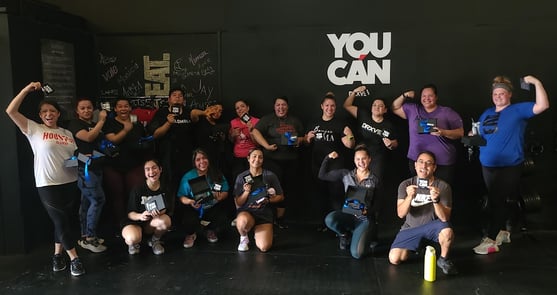
To simply help you understand: YOU CAN
This isn't magic.
It's movement & math.
The MACHINE Training Method 🤖 = You know what to do.
COMP Nutrition Method 🧠 = You know how to get there.
Let's GO.

ALVEREZ

